War WATCH Team
The War WATCH portal was conceived, designed and built by a dedicated team at the Geneva Academy of International Humanitarian Law and Human Rights. The core portal team included:
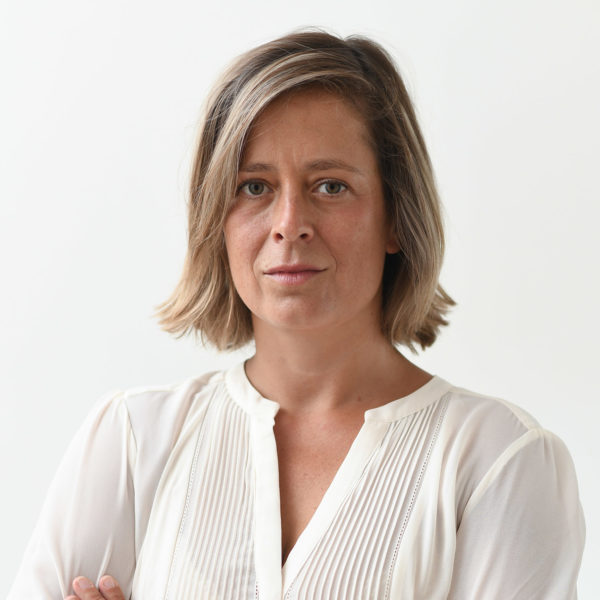
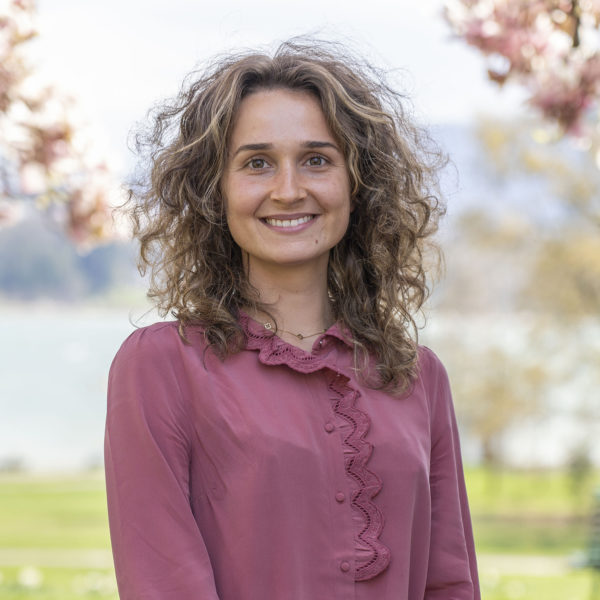
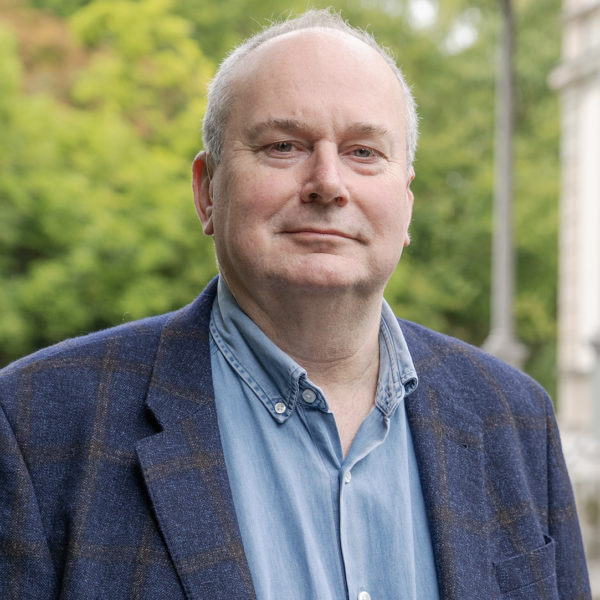

Project Direction
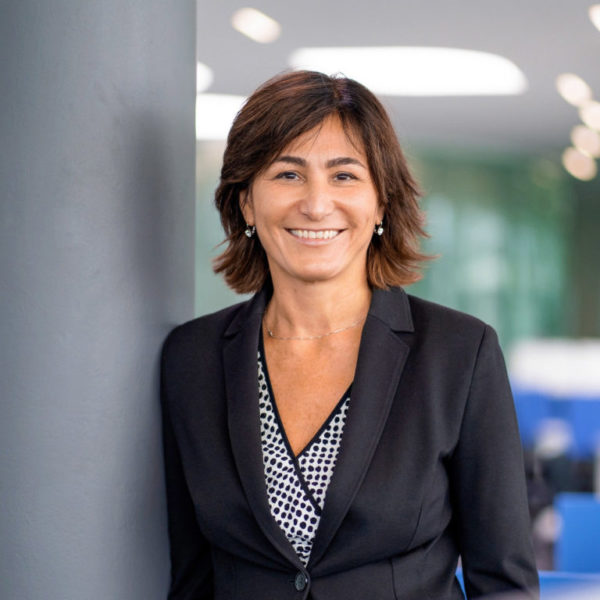
Contributing Researchers
The portal builds on, and makes accessible, the research and data produced through two major Geneva Academy projects: IHL in Focus and the project of conflict classifications, previously called RULAC (Rule of Law in Armed Conflict). In addition to the portal’s core team, researchers, including Martha M. Bradley, Anna Greipl, and Etienne Henry contributed their expertise to the content presented on War Watch through the IHL in Focus and conflict classification updates.
Students from the Geneva IHL Lab (Geneva Academy of International Humanitarian Law and Human Rights, the Geneva Graduate Institute, and the University of Geneva) also contributed to research and drafting in 2025: Julia Barreto Reis, Juliette Bousquet, Mel Britt, Jeanne Chaube, Maia Del Priore, Itzhak Dorai, Tanya Iyer, Janosch Jaeger, Vlasta Kovbasa, Melanie Fiona Lavers, Murren Meers, Giulio Ratto, Maria Juliana Rodriguez, Maxime Rogier, Maria San Miguel Vidal, Finn-Lukas Uloth, and Atsuya Zaita; and in 2026: Deirdre Armstrong Dangelser, J.P. Leo Asong, Sara Ewad, Lucia Lopez, Farheen Nahvi,
Patricija Anna Graudina, Riccarda Léonie Heepen, Reyna Rosales, Beatrice Nardini, Tamiliniyaa Rangarajan, Gargi Manek, Rachel Drobitsch, Martina Maestri, Eva Norris, Eva Galvez-Behar, Leo Colonnello, Jimena Ledezma, Yun Cheng, Filippo Rastelli, Sozeri Sahin,
Hannah Nieratzky, Noa Sara Lehmann, Ana Maria Birsan, Hans Hagemann Llanos, Alma-Louise Vernier-Clarke, Anna Chiara Gander.
Views and analysis on War WATCH do not necessarily represent the views of those who contributed to the project.
Peer Review
Marnie Lloydd
Web Design & Development
Wonder Web
Visual Resources
OCHA Humanitarian Icons
The humanitarian icons developed by the United Nations Office for the Coordination of Humanitarian Affairs (OCHA) are used throughout the civilian harm documentation to visually identify different types of IHL violations.
ICRC Audiovisual Archives and UNHCR Refugees Media
Background images for conflict entries are sourced from the International Committee of the Red Cross (ICRC) audiovisual archives and the United Nations High Commissioner for Refugees (UNHCR) Refugees Media resource. Each photograph is individually credited according to the format: Copyright/Photographer’s name, date, caption, reference.
USE OF AI ASSISTANCE
War Watch summaries and snapshots were produced with AI assistance solely to repackage and condense existing content for accessibility purposes. These include the country snapshots on the portal homepage, as well as the classification summaries and violation summaries available for each conflict.
No original content was generated by AI. All research, legal analysis, and substantive content – including the full classification analysis and violations documentation – were conducted and written entirely by human experts. AI was used exclusively to synthesize and summarize this human-authored material into shorter, more accessible formats.
Funding
War Watch builds on two established Geneva Academy initiatives: the IHL in Focus project and the RULAC database (Rule of Law in Armed Conflicts).
The research and analysis behind War Watch is supported by:
- European Civil Protection and Humanitarian Aid Operations (ECHO) – supports the IHL in Focus project’s violations monitoring and analysis
- Swiss Federal Department of Foreign Affairs (FDFA) – previously through the Directorate of International Law (DDIP), and since March 2026 through the Swiss Agency for Development and Cooperation (SDC).
This external funding does not influence the project’s methodology, analytical choices, or conclusions. War Watch operates with full independence in its research and legal analysis.