Snapshot
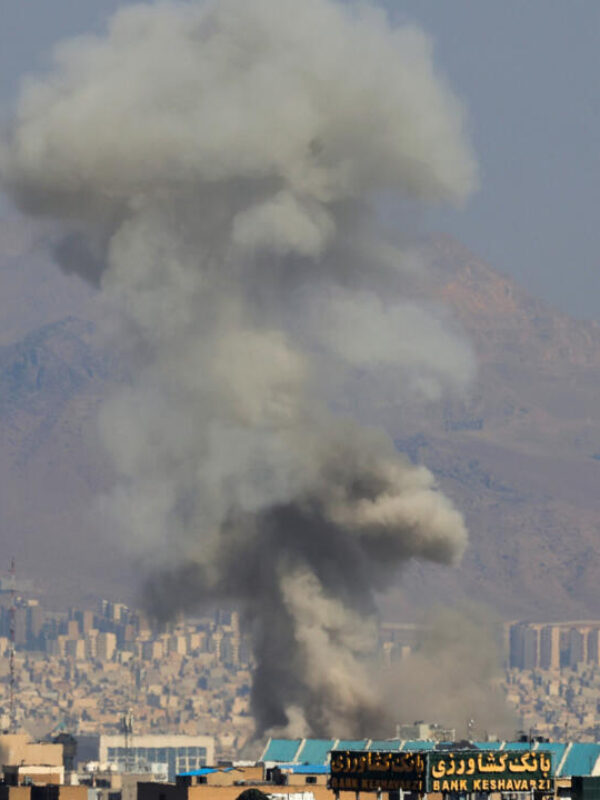
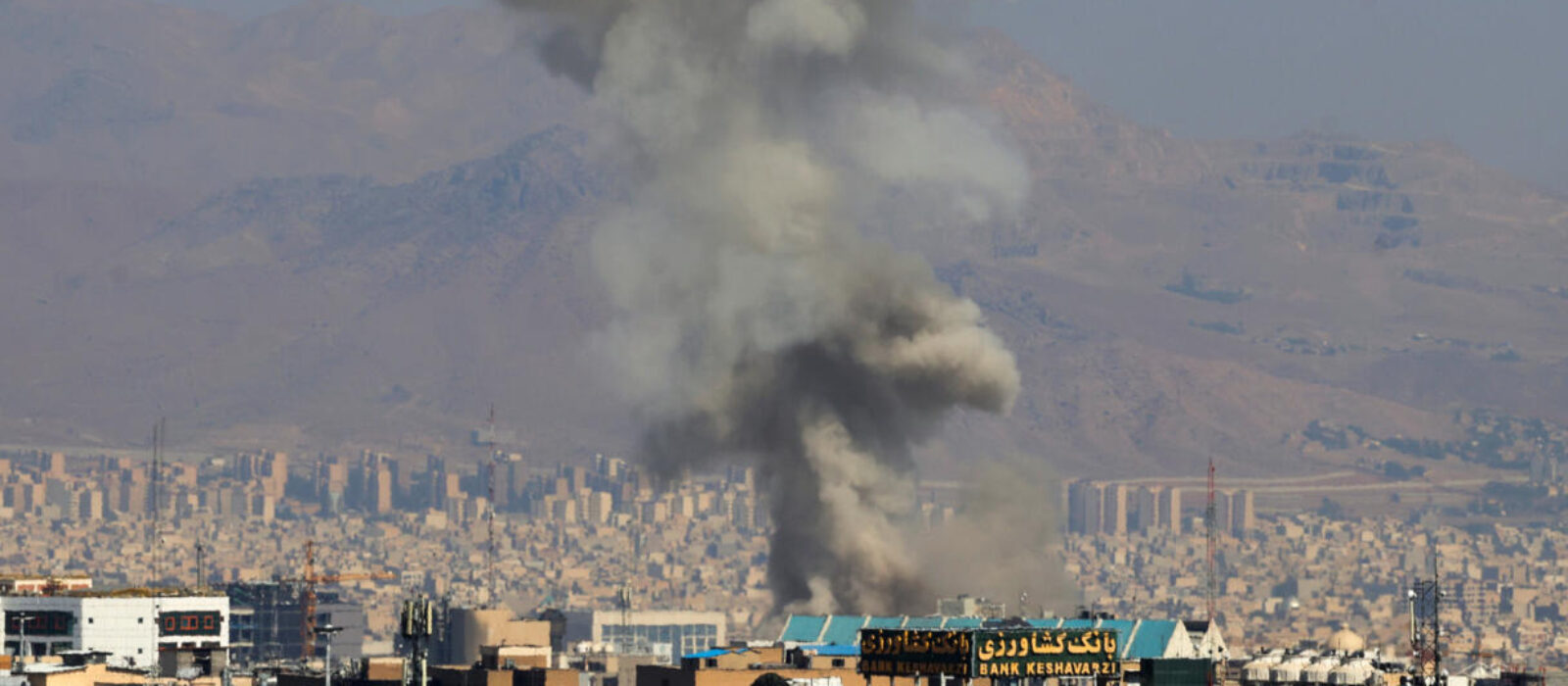
The hostilities between Israel and Iran during the reporting period formed the latest escalation in a longstanding enmity dating back to Iran’s 1979 Islamic Revolution. They were rooted in a protracted dispute over Iran’s nuclear programme, which Israel portrays as an existential threat while Iran presents it as peaceful. In early October 2024, Iran fired more than 100 ballistic missiles at Israel in response to Israel’s killing of Hezbollah leaders in Lebanon, and Israel responded by striking Iranian missile-defence system. Hostilities broke out again in June 2025 in amid renewed tensions over Iran’s nuclear programme. Israel’s Operation Rising Lion combined extensive drone and air operations against Iranian nuclear and military sites, while Iran responded with daily missile and drone attacks. Civilian casualties and large-scale temporary displacement were reported on both sides, alongside related Houthi strikes from Yemen. A ceasefire entered into force on 24 June, amid parallel United States strikes on Iranian nuclear facilities and continuing uncertainty over Iran’s stockpile of highly enriched uranium and future enrichment capacity.
Classification(s) and Parties to the Conflict(s)
- International armed conflict between Iran and Israel (October 2024 and June 2025)
Hostilities between Israel and Iran resulted in significant civilian deaths and injuries in both States, including strikes on urban areas and multiple health facilities, as well as harm to medical personnel and disruption of access to care. Iran’s use of inaccurate ballistic missiles and cluster munitions against Israeli cities, which included a strike that hit a special needs school, raised serious concerns about indiscriminate attacks. Israel’s use of explosive weapons in populated areas, including attacks on media, scientific, and nuclear sites, and the deliberate strike on Evin prison, raised concerns under the principles of distinction, proportionality, and precautions in attack. In parallel, Iran reportedly carried out mass arrests, enforced disappearances and executions on espionage accusations, while Israel detained individuals on same grounds, practices that raise serious concerns under IHL and international human rights law.
Classification
Historical Background
Origins
The conflict between Israel and Iran represented a significant escalation of long-standing enmity dating back to Iran’s 1979 Islamic Revolution.
Nuclear programme dispute
Israel has long alleged that Iran is developing nuclear weapons, whereas Iran has argued that its nuclear programme is purely peaceful in nature. Israeli Prime Minister Benjamin Netanyahu framed the Iranian programme as a threat to Israel’s very survival.
Key Developments (2023–2025)
Since October 20204, the situation saw several major developments:
- October 2024 reciprocal strikes: In early October 2024, Iran fired over a hundred of ballistic missiles at Israel in response to Israel’s killing of Hezbollah leaders in Lebanon. Later that month, Israel struck an Iranian missile defence system in Isfahan.
- June 2025 escalation: Tensions linked to Iran’s nuclear activities escalated into an intense international armed conflict (IAC) in June 2025. On 12 June 2025, the Board of the International Atomic Energy Agency (IAEA) adopted resolution finding Iran in breach of its safeguards obligations. On the same day, Israel issued an evacuation warning for part of Tehran.
- Twelve days of hostilities: On 13 June 2025, Israel launched Operation Rising Lion, combining pre-positioned explosive drones with large-scale air operations against nuclear and military targets, and senior commanders. Iran retaliated with daily missile and drone attacks against Israel. Hostilities lasted twelve days and included strikes in major urban areas and affected civilian objects. Civilian casualties occurred on both sides and large-scale temporary displacement was reported. On 15 June 2025, Houthis in Yemen publicly announced coordinated strikes on Israel.
- Ceasefire and related conflicts: A ceasefire took effect on 24 June 2025, reportedly with United States (US) support, amid competing claims about post-ceasefire strikes and limited retaliation. A distinct but related IAC involved US strikes on Iranian nuclear facilities on 21–22 June 2025.
- Nuclear programme after the fighting: Israel framed its strikes as necessary to prevent Iran from producing a nuclear weapon, while reports indicated the United States had assessed Iran was not actively pursuing one before the attacks. Despite extensive damage to nuclear infrastructure, the fate and location of Iran’s highly enriched uranium stockpile remain unknown, although the IAEA noted the potential for Iran to resume enrichment within months.
International Armed Conflict
Iran vs Israel
An IAC arises whenever one or more States resort to armed force against another State, irrespective of motive or intensity. On that basis, the reciprocal strikes on each other’s territory in October 2024 amounted to an IAC between Iran and Israel. The renewed resort to armed force between Iran and Israel in June 2025, including Israel’s Operation Rising Lion, likewise fell within the definition of an IAC. Although it could be contended that the June hostilities continued the October 2024 exchanges of fire, the absence of hostilities for more than six months supports classifying the June 2025 violence as a new and distinct IAC. Since no further military action was reported after 24 June 2025, the IAC is considered to have ended. An IAC ends with the general close of military operations, encompassing not only the cessation of active hostilities but also the end of military movements of a bellicose nature. Nevertheless, certain troop redeployments and mobilization linked to the conflict may warrant maintaining the classification even in the absence of active fighting.
Key Parties to the Conflict
State Parties
- Iran
- Israel
Other Main Actors
- Houthis
Civilian Harm
ATTACKS ON CIVILIANS
Hostilities reportedly caused significant civilian deaths and injuries in Iran, including through a strike on Evin prison, while Israel alleged that Iran deliberately targeted Israeli civilians. Medical personnel were also affected, with reported deaths among Iranian responders and health professionals, and disruption of access to care. Targeting Iranian nuclear scientists would violate the principle of distinction, unless and for such time as they directly participated in hostilities. Iran reportedly used unguided missiles with limited accuracy and cluster munitions in urban areas, raising concerns of indiscriminate attacks and heightened incidental civilian harm.
Israeli airstrikes on Iranian territory from 13 June reportedly caused widespread casualties, including significant civilian deaths and injuries, alongside damage affecting civilian infrastructure. The 23 June strike on Evin prison reportedly killed and wounded civilians including visiting family members, local residents, and civilian staff, with an unknown number of detainees also harmed. Only soldiers present could have been lawfully targeted, and the midday timing increased civilian exposure. Separately, Israeli officials also alleged that Iran deliberately targeted civilians in its military operations, with Iranian attacks killing Israelis, including children, and injuring many.
ATTACKS ON CIVILIAN INFRASTRUCTURE
Iran conducted sustained missile attacks on Israeli cities, with urban impacts consistent with limited missile accuracy and possible indiscriminate attacks, including a strike on a special needs school and damage to a hospital and places of worship. Israel’s strikes in Iran caused extensive civilian harm and damage to civilian, medical, media, scientific and nuclear sites. Hospitals were repeatedly subjected to attacks and, as a result, either destroyed or severely damaged.
Attacks on Urban Areas
In Israel, key population centres, particularly Tel Aviv and surrounding areas, were subjected to sustained missile attacks by Iran’s Islamic Revolutionary Guard Corps (IRGC), including strikes affecting Beersheba and Haifa. Reported impacts included dozens of direct hits in urban areas, which caused at least twenty-eight deaths and large-scale injuries among Israelis, possibly the result of the very limited accuracy of Iran’s ballistic missiles. This raises concern about the use of indiscriminate weapons. In Iran, Israeli strikes reportedly caused extensive civilian casualties and injuries and included attacks against civilian objects. Israeli use of precision-guided munitions coupled with extensive civilian harm suggest that strikes on civilian objects cannot be readily dismissed as innocent mistakes. Directing attacks against civilian objects and indiscriminate attacks are prohibited under IHL and might amount to war crimes.
VIOLATIONS AGAINST PERSONS IN THE HANDS OF THE ENEMY
In relation to the conflict, Iran reportedly carried out summary executions for alleged espionage for Israel, conducted mass arrests and detained hundreds, including journalists, social media users, and human rights defenders. Enforced disappearances were also reported. Israel detained dozens on suspicion of spying for Iran. Under IHL and international human rights law (IHRL), detainees must be treated humanely and accorded due process fundamental guarantees. Extrajudicial executions, arbitrary detention, and enforced disappearances are prohibited.
During and after the conflict, reports from Iran indicated summary executions linked to accusations of espionage for Israel. At least six individuals, including three Kurdish men, were reportedly executed on such accusations, and in early August 2025 Iran hanged Rouzbeh Vadi, alleged to have assisted Israel in the assassination of an Iranian nuclear scientist. Expedited trial for espionage heightened the risk of executions or punishment without adequate due process, alongside proposed legislation that would expand death penalty for intelligence or espionage activities for hostile governments. Both Iran and Israel are bound by the 1966 International Covenant on Civil and Political Rights (ICCPR), which prohibits extrajudicial, summary, or arbitrary executions and requires fair trial guarantees in any death penalty case.