Skip to content
Explore

Non-international armed conflicts in Burkina Faso

Reporting period: July 2024 - June 2025

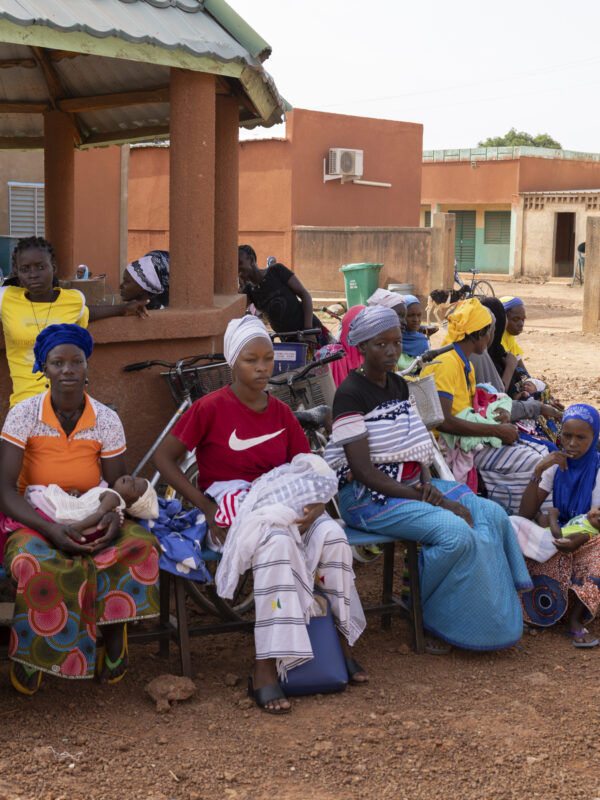
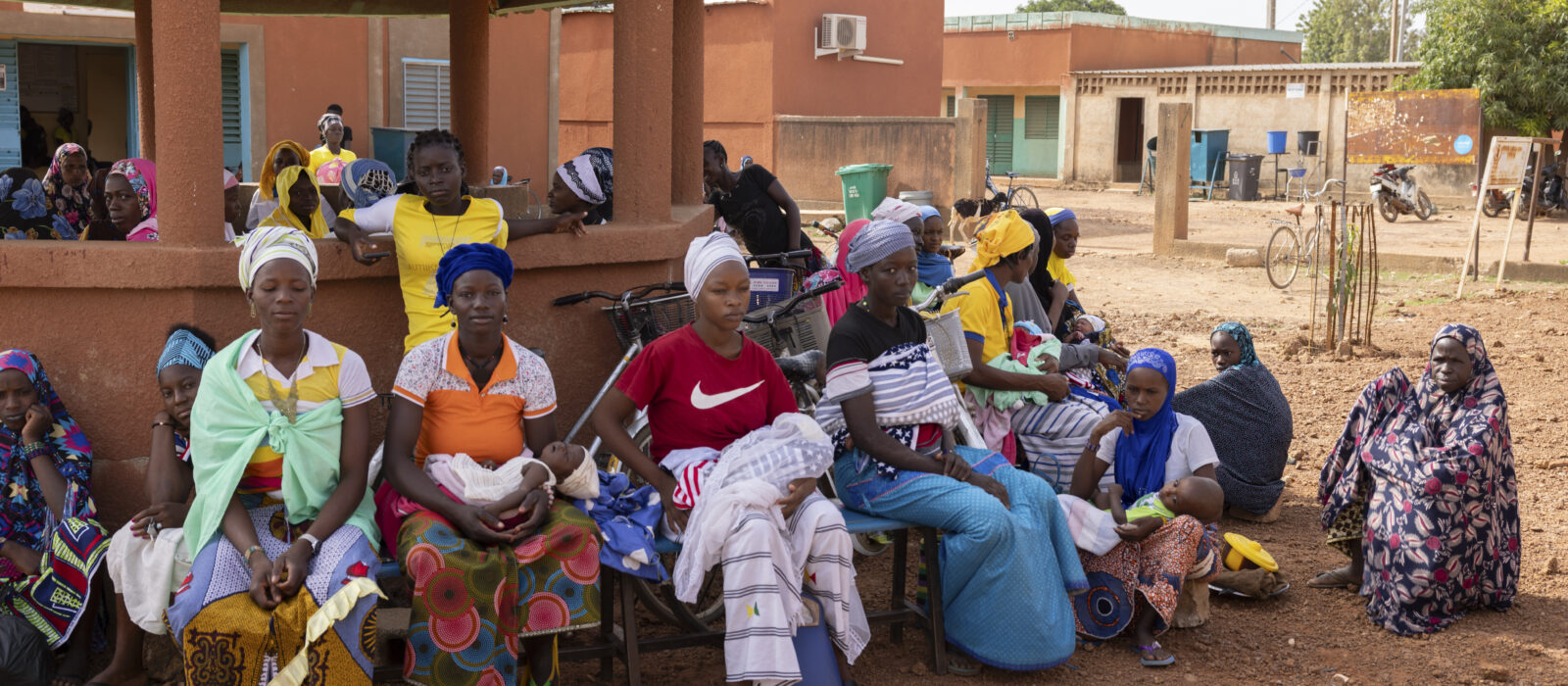
©Perroud Nathalie. New maternity built by the ICRC to address the needs of the population affected by armed conflict, Fada N'Gourma, Burkina Faso, June 2023.

Armed conflicts in Syria

By eugenie

Originating in the 2011 protests and their repression, the Syrian conflict evolved into multiple non-international armed conflicts (NIACs) pitting the government supported by Russian forces and Iranian-aligned militias against non-State armed groups including Islamic State, the Syrian Democratic Forces (SDF) and Hayat Tahrir al Sham (HTS). These conflicts occurred alongside separate operations by United States … Continued

Non-international armed conflicts in Sudan

By eugenie

Since independence in 1956, Sudan has faced recurrent non-international armed conflicts (NIACs), including the Darfur war between government forces and Janjaweed militias on one side and Sudan Liberation Movement/Army (SLM/A) and Justice and Equality Movement (JEM) on the other, and long-running fighting with Sudan People’s Liberation Movement Army North (SPLM-N) factions in Kordofan and Blue … Continued

Non-international armed conflicts in South Sudan

By eugenie

South Sudan, which seceded from Sudan and gained independence in 2011 following the north-south conflicts and the 2005 Comprehensive Peace Agreement, continues to face fragile institutions, significant opposition by the Sudan People’s Liberation Movement/Army-in-Opposition (SPLM/A-IO) as well as the National Salvation Front (NAS), and recurrent local violence, with stalled implementation of the 2015 and 2018 … Continued

Non-international armed conflicts in Somalia

By eugenie

Since State collapse in 1991, Somalia has experienced protracted violence, with Islamist armed groups seizing key areas in the mid-2000s and prompting regional and international interventions. A federal government recognized in 2012 continues to confront Al-Shabaab in a long-running non-international armed conflict (NIAC), and, since late 2024, also a NIAC with Islamic State in Somalia … Continued

Non-international armed conflicts in Myanmar

By eugenie

Myanmar has faced protracted internal violence since independence, with long-standing ethnic armed groups challenging central authority and a series of military coups. Following the 2021 military takeover, mass protests evolved into NIACs between the Tatmadaw (Myanmar armed forces) and a wide array of organized opposition forces, including National Unity Government (NUG)-aligned People’s Defence Forces (PDFs) … Continued

Armed conflicts in Mali

By eugenie

For more than a decade, Mali has experienced overlapping non international armed conflicts (NIACs), pitting Malian armed forces (FAMa) and allied militias against Tuareg separatist coalitions and Islamist groups such as Jama’at Nasr Al Islam wal Muslimin (JNIM) and the Islamic State in the Sahel Province (ISSP). The 2015 Algiers Accords failed to end violence, … Continued

Non-international armed conflicts in Ethiopia

By eugenie

Ethiopia has experienced recurrent armed violence rooted in regional disputes and contested centre-periphery relations. The 1998–2000 international armed conflict with Eritrea formally ended with the Algiers Agreement, which also established the Eritrea-Ethiopia Boundary Commission. A significant non-international armed conflict between federal authorities and the Tigray People’s Liberation Front (TPLF) formally ceased with the 2022 Pretoria … Continued

Armed conflicts in Democratic Republic of the Congo

By eugenie

The Democratic Republic of the Congo (DRC) has experienced cyclical violence from colonial exploitation and post-independence dictatorship through the regionalized Congo wars, leaving enduring armed group proliferation and state fragility. In eastern DRC, the resurgence of March 23 Movement (M23), the threat posed by organized armed groups, including the Allied Democratic Forces (ADF), and large-scale … Continued

Non-international armed conflicts in Central African Republic

By eugenie

The Central African Republic (CAR) has faced recurrent coups and armed contestation since independence, with the 2013 Séléka seizure of power and ensuing Anti-Balaka violence shaping the present conflicts. Despite elections and peace initiatives, ex-Séléka and Anti-Balaka actors, including within Coalition of Patriots for Change (CPC) and the splinter CPC-Fondamentale (CPC-F), have continued to challenge … Continued

Non-international armed conflicts in Burkina Faso

By clemence

Since independence in 1960, Burkina Faso has experienced recurrent coups, authoritarian or military rule and institutional weakening, with gold resources fuelling conflict. Jihadist violence expanded from 2015, interacting with regional insecurity and leading to unprecedented levels of civilian harm between 2023 and 2025, as Jama’at Nasr Al Islam wal Muslimin (JNIM) and Islamic State in … Continued