Snapshot
The conflict between Iran and the United States and Israel is rooted in decades of hostility, including the 1953 US-backed coup, the 1979 Islamic Revolution, and sustained tensions over Iran’s nuclear programme. Following joint US-Israeli strikes on 28 February 2026, which killed Iran’s Supreme Leader and other senior Iranian officials, a series of international armed conflicts broke out involving Iran and multiple States across the region. Iran responded to the attacks by closing the Strait of Hormuz, through which approximately one fifth of the world’s oil passes, causing a sharp rise in global oil prices. A ceasefire mediated by Pakistan came into effect on 8 April 2026, though its terms remain contested and hostilities have continued, with a US naval blockade of Iranian ports ongoing at the time of writing. Negotiations on a permanent settlement including on Iran’s nuclear programme remain unresolved.
Classifications and Parties to the Conflicts
- Iran v Israel and the United States of America (US)
- Iran v the United Arab Emirates (UAE)
- Iran v Qatar
- Iran v Bahrain
- Iran v Jordan
- Iran v Kuwait
- Iran v Saudi Arabia
- Iran v Iraq
- Iran v Oman
- Iran v Azerbaijan
- Iran v the United Kingdom (UK)
Civilian objects were repeatedly targeted or struck in circumstances raising serious concerns about compliance with the principles of distinction and precautions in attack. Both the United States and Israel directed attacks against gas infrastructure and water desalination plants. US strikes hit schools in Iran, while Iranian attacks struck hotels, data centres, water desalination facilities, and merchant shipping in the Strait of Hormuz. Iran also used cluster munitions against population centres in Israel, resulting in civilian deaths. By the time the ceasefire came into effect, Iranian authorities had reported more than 2,000 fatalities and over 26,000 injured as a result of US and Israeli strikes. Iranian authorities took advantage of the conflict to commit serious violations of international human rights law, including killings of peaceful protesters, though these lacked the nexus to the conflict required for qualification as violations of IHL.
Classification
Historical Background
Origins of hostility
Hostile relations trace back to the early 1950s, when the nationalization of Iranian oil preceded a United States (US)-backed coup that removed Prime Minister Muhammad Mossadegh and restored Shah Mohammad Reza Pahlavi, fostering anti-Western sentiment while also producing a period of close bilateral ties between Washington and Tehran.
Islamic Revolution and rupture
Domestic opposition to the Shah’s dictatorial rule and westernization culminated in the 1979 Islamic Revolution and the return of Ayatollah Ruhollah Khomeini. The US Embassy in Tehran was attacked twice in 1979, with the second seizure leading to the prolonged detention of US nationals, asset freezes, a failed rescue attempt, litigation before the International Court of Justice (ICJ), and the severance of diplomatic relations.
Iran-Iraq war and animosity with the United States
Relations were further strained by US support for Iraq and Saddam Hussein during the 1980s Iran-Iraq war, including after the Central Intelligence Agency (CIA) found evidence of Iraqi chemical weapons use against Iranians. Additional pressure points included the 1984 designation of Iran as a terrorism sponsoring State and the 2002 ‘Axis of Evil’ framing.
Nuclear programme and sanctions diplomacy
Iran’s nuclear programme shifted from Nuclear Non-Proliferation Treaty commitments to covert weaponization planning in the 1990s and early 2000s, the 2002 disclosure of the Natanz enrichment and Arak heavy water facilities, and a 2003 halt to the Amad Plan. Enrichment, however, continued amid contested declarations. Multilateral diplomacy and sanctions culminated in the 2015 Joint Comprehensive Plan of Action, initially implemented with substantial sanctions relief, but which was opposed by Israel.
Regional escalation and breakdown of talks
US withdrawal from the nuclear deal and terrorism designations, the killing of Major General Qassem Soleimani, and retaliatory strikes deepened confrontation. A renewed diplomatic track in the first few months of 2025 was derailed by June strikes on Iranian nuclear facilities and Iranian retaliation against a US-operated base in Qatar. Despite further talks in early 2026, tensions remained high and preceded the outbreak of major armed conflict on 28 February 2026.
Key Developments (2023–2025)
Between January and April 2026, the situation saw several major developments:
- Protests in Iran Spark a Deadly Crackdown and Military Threats from Trump: Protests triggered by economic deterioration and service failures spread nationwide and evolved into calls to end clerical rule. The authorities imposed an internet blackout, used lethal force against unarmed protesters, and carried out mass arrests and disappearances. Reported fatalities numbered in the many thousands and were followed by expedited death sentences and executions of many of those detained. The protests ended in mid-January. President Trump issued escalating warnings, including threats of intervention and retaliation if detainees were executed, while Iranian officials attributed the unrest to foreign interference and warned that any attack could trigger regional war. Limited indirect exchanges followed, and nuclear talks resumed in February.
- US Military Build-up in the Arabian and Mediterranean Seas: The United States deployed carrier groups, destroyers, aircraft, and air defence assets toward the Arabian Sea and the Mediterranean, framing the build-up as leverage for nuclear negotiations and warning of harsher strikes.
- Continued US-Iran Engagement on Iran’s Nuclear Program: Indirect talks in Oman and subsequent Geneva rounds addressed nuclear issues alongside missiles, regional proxies, and internal repression. Iran signalled openness on nuclear enrichment limits while rejecting missile discussions and insisting on maintaining a regional presence. An ultimatum preceded an intense third round of talks without agreement, and planned talks were abandoned after the 28 February strikes.
- Assassination of Ayatollah Ali Khamenei and other High-Ranking Iranian Figures: Israel, with US support, announced the killing of Ayatollah Ali Khamenei in Tehran alongside senior Revolutionary Guard, defence, intelligence, and armed forces high-ranking senior officers. Iran later named Mojtaba Khamenei as successor.
- Strike on Elementary School in Minab and the Use of Artificial Intelligence: A US strike hit an elementary school, killing a reported 175 civilians, mostly children. Preliminary findings pointed to a Tomahawk missile and a targeting error linked to outdated mapping near an adjacent Revolutionary Guard site, with uncertainty over any role for artificial intelligence tools.
- International Responses to Initial Attacks: Reactions diverged across States, ranging from condemnation of the United States and Israel, to condemnation of Iran’s retaliation, to overt support for the initial strikes. Others emphasized civilian protection, diplomacy, and compliance with international law.
- Closure of the Strait of Hormuz and Fluctuating Oil Prices: In response to US and Israeli strikes, Iran announced closure of the Strait of Hormuz and threatened passing vessels, later striking numerous ships with varied means of warfare. Oil prices rose sharply and escort plans were discussed, but the Strait remained effectively closed amid reopening claims, renewed closure, and a continuing US naval blockade.
- Drone Attack on Italian Soldiers Stationed in Erbil: A drone hit a base hosting Italian troops in Erbil, causing damage without reported injuries, and was attributed by Italy to a pro-Iranian militia.
- Iranian-backed Iraqi militias: Iraqi militias increased drone activity across the Gulf, including claimed attacks on US bases, with attribution often unclear between Iran and aligned groups.
- Coordinated Attacks on Israel from Iran, Hezbollah, and the Houthis: Coordinated missile attacks against Israel involving Iran, Hezbollah in Lebanon, and the Houthis were reported.
- Trump Threatens ‘Hell’ on Iran and Declares Death on ‘A Whole Civilization’: Trump publicly threatened large-scale destruction of Iranian infrastructure linked to demands over the Strait, prompting backlash and Iranian warnings of proportionate response.
- Ceasefire between Iran and the United States and Israel: A Pakistan-mediated ceasefire began on 8 April based on an Iranian plan that included contested elements on sanctions, the Strait, US posture in the region, and nuclear terms, with disputes over whether Lebanon was covered. Extensions followed amid continued frictions and parallel Israel-Hezbollah arrangements.
- US Naval Blockade on Ships Carrying Iranian Oil: The United States announced and implemented a naval blockade of Iranian ports and seized a tanker alleged to be carrying Iranian oil, conditioning lifting the blockade on a broader conflict and nuclear settlement.
International Armed Conflicts
Iran vs Azerbajian
The IAC between Iran and Azerbaijan broke out on 5 March 2026 when Iran breached Azerbaijan’s sovereign territory by deploying drones in Nakhchivan. The strikes reportedly hit Nakhchivan International Airport and a children’s school in the village of Shakarabad, injuring civilians and damaging civilian infrastructure. No further Iranian drone or missile activity was confirmed on Azerbaijani territory after 5 March. On that basis, the IAC between Iran and Azerbaijan is assessed as having ended.
Iran vs Bahrain
The IAC between Iran and Bahrain broke out on 28 February 2026 when Iran launched its first strike on Bahraini sovereign territory, targeting the US base in Manama that houses the Navy’s Fifth Fleet and functions as the headquarters of the US Naval Forces Central Command. The base was struck by a drone, causing material damage. In the same initial wave, Iran also targeted high rise residential buildings in Manama, hotels, a water desalination plant, and a State-run oil refinery, damaging surrounding neighbourhoods. Subsequent reporting indicates that Bahrain experienced near daily Iranian drone, ballistic, and cruise missile attacks through mid-April 2026. On the basis of the initial resort to force against Bahrain and the continuation of attacks at the time of reporting, the IAC between Iran and Bahrain remained ongoing.
Iran vs Iraq
The IAC between Iran and Iraq was triggered on 28 February 2026 when Iran launched drone and missile attacks against Erbil International Airport and the US Consulate General in Erbil, both located on Iraqi sovereign territory. Although most incoming munitions were reportedly intercepted and no major damage or injuries were recorded, the resort to force against Iraq sufficed to trigger an IAC. Following the outbreak of hostilities, attacks attributed to Iranian backed Iraqi militias reportedly increased. No definitive closure of military operations is indicated for the period under review. Accordingly, the IAC between Iran and Iraq remained ongoing.
Iran vs Jordan
The IAC between Iran and Jordan was triggered on 28 February 2026 when Iran launched missiles against the Muwaffaq Al Salti Air Base in Amman, a Jordanian air base hosting US forces and supporting US Air Force Central’s 332nd Air Expeditionary Wing. During the reporting period, Iran also employed drones against the same installation, including a 6 March strike on buildings housing AN/TPY 2 radar equipment, reportedly damaging a Terminal High Altitude Area Defense radar that forms part of the ground-based missile defence architecture designed to intercept ballistic missiles. Jordan reported extensive interception activity over subsequent weeks, indicating continued incoming threats. On the facts described, there was no definitive closure of military operations between the belligerents at the time of writing. The IAC between Iran and Jordan therefore remained ongoing.
Iran vs Kuwait
The IAC between Iran and Kuwait broke out on 28 February 2026 when Iran launched ballistic missiles against military installations on Kuwaiti sovereign territory, including Ali Al Salem Air Base, Camp Buehring, and Camp Arifjan, a central US Army headquarters site within a wider network of US facilities hosted by Kuwait. Although Kuwaiti air defence intercepted most incoming missiles, the attacks nevertheless caused material effects, with damage to multiple structures and equipment storage areas, a fire at Camp Buehring linked to Shahed drones, and the destruction of communications equipment at Camp Arifjan. In the same initial wave, an Iranian drone also targeted Kuwait International Airport, causing minor injuries and physical damage. Subsequent reporting indicates near daily Iranian drone, ballistic, and cruise missile attacks through early April 2026, showing no definitive closure of military operations. The IAC therefore remained ongoing at the end of the reporting period.
Iran vs Oman
The IAC between Iran and Oman was triggered on 1 March 2026 when Iran directed drone strikes against Omani territory. The strikes reportedly hit the commercial port in Duqm and a Palau flagged oil tanker off Oman’s coast near Musandam Khasab. The reported harm included injury to at least one worker. On this basis, the resort to force on Omani territory sufficed to initiate an IAC between Iran and Oman.
Iran vs Qatar
The IAC between Iran and Qatar was triggered on 28 February 2026 when Iran launched missile strikes against Qatari territory. The attacks occurred in a context where Qatar hosts the Al Udeid Air Base, the largest US air base in the Middle East and the forward headquarters for US Central Command. During the initial drone and missile wave, communications equipment at Al Udeid was reportedly damaged. Iran also targeted a Qatari long-range, early-detection missile system in northern Qatar. Qatar said it intercepted incoming missiles pursuant to a pre-approved security plan. On the basis of this resort to armed force against Qatar’s territory and the continuation of attacks at the time of reporting, the IAC between Iran and Qatar remained ongoing.
Iran vs Saudi Arabia
The IAC between Iran and Saudi Arabia was triggered on 28 February 2026 when Iran launched strikes against Saudi Arabian sovereign territory, including attacks directed at Prince Sultan Air Base, a site where US soldiers and Saudi authorities cooperate on air and missile defence. While missiles aimed at the base were reportedly intercepted, the initial wave also targeted the US Embassy in Riyadh, indicating a broader pattern of attacks on sites linked to the US presence. Subsequent reporting describes near daily Iranian drone, ballistic, and cruise missile attacks against Saudi Arabia from late February into early April 2026, reflecting sustained hostile military activity. On this basis, there was no definitive closure of military operations during the reporting period, and the IAC between Iran and Saudi Arabia remained ongoing at the time of writing.
Iran vs UAE
The IAC between Iran and the United Arab Emirates (UAE) was triggered on 28 February 2026 when Iran launched retaliatory drone and missile attacks against US bases and assets located on Emirati sovereign territory. Although many incoming missiles were intercepted, the initial wave reportedly caused significant damage to infrastructure, including at Al Dhafra Air Base, and also struck sites in and around Dubai and Fujairah, including an airport area and a port facility, with resulting fires and disruption. The attacks caused civilian deaths and injuries among several nationalities. Reported targeting also included locations connected to US presence, such as diplomatic facilities. Iranian attacks on the UAE recurred on a near-daily basis through early April 2026, involving drones as well as ballistic and cruise missiles, and continued at the time of writing. On this basis, the IAC remained ongoing during the reporting period.
Iran vs UK
The IAC between Iran and the United Kingdom was triggered on 2 March 2026 when Iran launched a drone strike against the Royal Air Force base at Akrotiri in southern Cyprus, causing minor damage. Under a 1960 treaty with Cyprus, the United Kingdom retains sovereignty over its two Sovereign Base Areas on the island, and Akrotiri is thus UK territory. On 20 March 2026, Iran also launched two intermediate range ballistic missiles toward the joint United States and United Kingdom (UK) base on Diego Garcia, but one malfunctioned and the other was intercepted before reaching its target. Apart from this attempt, as of July 2026 there has been no confirmed impactful attack by Iran on the United Kingdom since 2 March. The IAC between Iran and the United Kingdom is therefore considered to have ended.
Iran vs US and Israel
Under IHL, an international armed conflict (IAC) is triggered by a resort to armed force between States. On 28 February 2026, such force was used against Iranian sovereign territory by the United States under Operation Epic Fury and by Israel under Operation Roaring Lion, thereby initiating an IAC between Iran and the United States and between Iran and Israel. The ensuing hostilities comprised sustained, large-scale air operations against Iranian military and security infrastructure, including command and control, air defences, missile and drone capabilities, naval assets, and associated support systems, alongside strikes killing multiple senior Iranian figures. Iran retaliated with drone and missile attacks against US military bases across several States in the region, causing fatalities, injuries, and damage, and also attempted longer range strikes that were disrupted in flight. Iran also launched repeated attacks against Israel, at times described as coordinated with Hezbollah and the Houthis. A ceasefire announced on 7 April did not amount to definitive closure of military operations, and the IAC continued at the end of the reporting period.
Parties to the Conflict(s)
State Parties
- Iran
- United States
- Israel
- United Arab Emirates (UAE)
- Qatar
- Bahrain
- Jordan
- Kuwait
- Saudi Arabia
- Iraq
- Oman
- Azerbaijan
- United Kingdom
Civilian Harm
ATTACKS ON CIVILIANS
The conflict involving Iran caused extensive civilian harm. Iranian authorities reported thousands of deaths and dozens of thousands of injured from United States (US) and Israeli attacks, while Iranian attacks on populated areas in Israel also caused civilian deaths. Iran reportedly used indiscriminate missiles widely and employed cluster munitions against populated areas.
Customary IHL prohibits attacks against civilians, protecting them unless and for such time as they directly participate in hostilities. Incidental civilian harm must remain proportionate and attacks are subject to feasible precautions in order to at least minimize such harm. By the time the ceasefire entered into force on 8 April 2026, Iranian authorities reported more than 2,000 deaths and 26,500 injured from US and Israeli attacks. In Israel, Iranian attacks affecting populated areas near Tel Aviv caused multiple civilian deaths.
ATTACKS ON CIVILIAN INFRASTRUCTURE
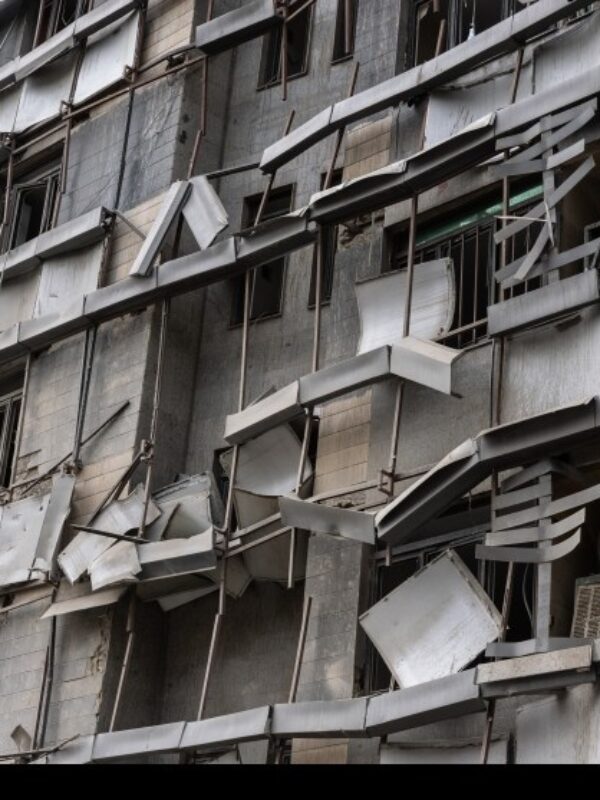
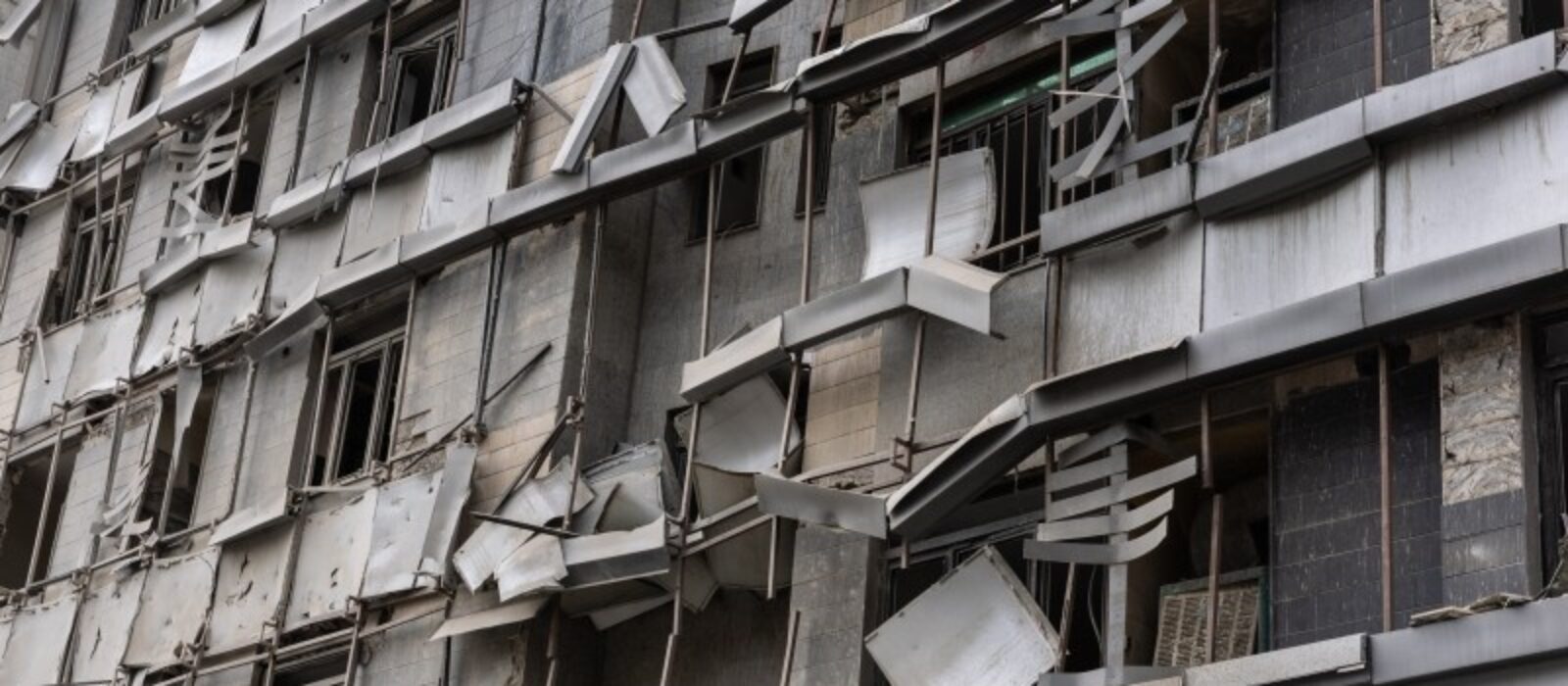
US and Israeli strikes in Iran hit educational facilities, including a girls’ school during class and university buildings. Other strikes reportedly hit residential buildings and a sports hall and another school. Attacks against desalination facilities in Iran and by Iran against such facilities in Bahrain were also recorded. Israel struck South Pars gas infrastructure in a major attack. Iranian attacks affected commercial shipping in the Strait of Hormuz and civilian sites in Gulf States, including a Dubai hotel and data centres, causing major civilian disruption.
The US attack on a school in Minab (28 February 2026)
On 28 February 2026, during initial US and Israeli attacks on Iran, up to three missiles hit the Shajareh Tayyebeh Girls’ School in Minab during class, with local authorities reporting 175 fatalities, mainly among girls. The school was located near an Islamic Revolutionary Guard Corps (IRGC) naval base, but the school building itself had been separated from the base by 2016 and converted to purely civilian educational use. Reports of follow-on strikes after survivors sought shelter raised additional precaution concerns, including the duties of constant care and to verify the target was a lawful military objective. US internal inquiries reportedly pointed to outdated intelligence, and the incident indicated at least gross negligence in targeting decision.
Alleged US attack on Lamerd (28 February 2026)
On 28 February 2026, hours after the Minab strike, US missiles hit residential buildings as well as a sports hall and adjacent elementary school in Lamerd, Iran, with reported deaths and large numbers of injuries, including among a female volleyball team using the hall. The munition was assessed as the US Precision Strike Missile (PrSM), a recently fielded weapon marketed for high accuracy, though the United States denied responsibility and claimed an Iranian missile misfire. The intended target may have been a nearby IRGC compound, yet satellite imagery reviewed by The New York Times showed that the compound appeared undamaged, and archival imagery indicated the struck buildings had been walled off from the IRGC base for many years.
US and Israeli attacks on Iranian Universities
United States and Israeli strikes reportedly affected Iranian universities and dormitories in March 2026, including an attack on the Iran University of Science and Technology in Tehran on 28 March that destroyed a building and damaged classrooms. Educational institutions are civilian objects unless used for military purposes, and an intentional attack on such a facility would constitute a serious violation of IHL. The IRGC stated that it would target US and Israeli-affiliated universities in the Middle East in response.
VIOLATIONS AGAINST PERSONS IN THE HANDS OF THE ENEMY
In early 2026, Iranian authorities were reported to have killed large numbers of unarmed protesters and later shot detainees in custody after protests over lack of food, with allegations of beatings and denial of medical care. These serious violations of international human rights law were not directly related to the armed conflict and therefore not regulated by IHL.